
NC Space Grant Selects 2025-2026 Team Experience and Competition Award Winners
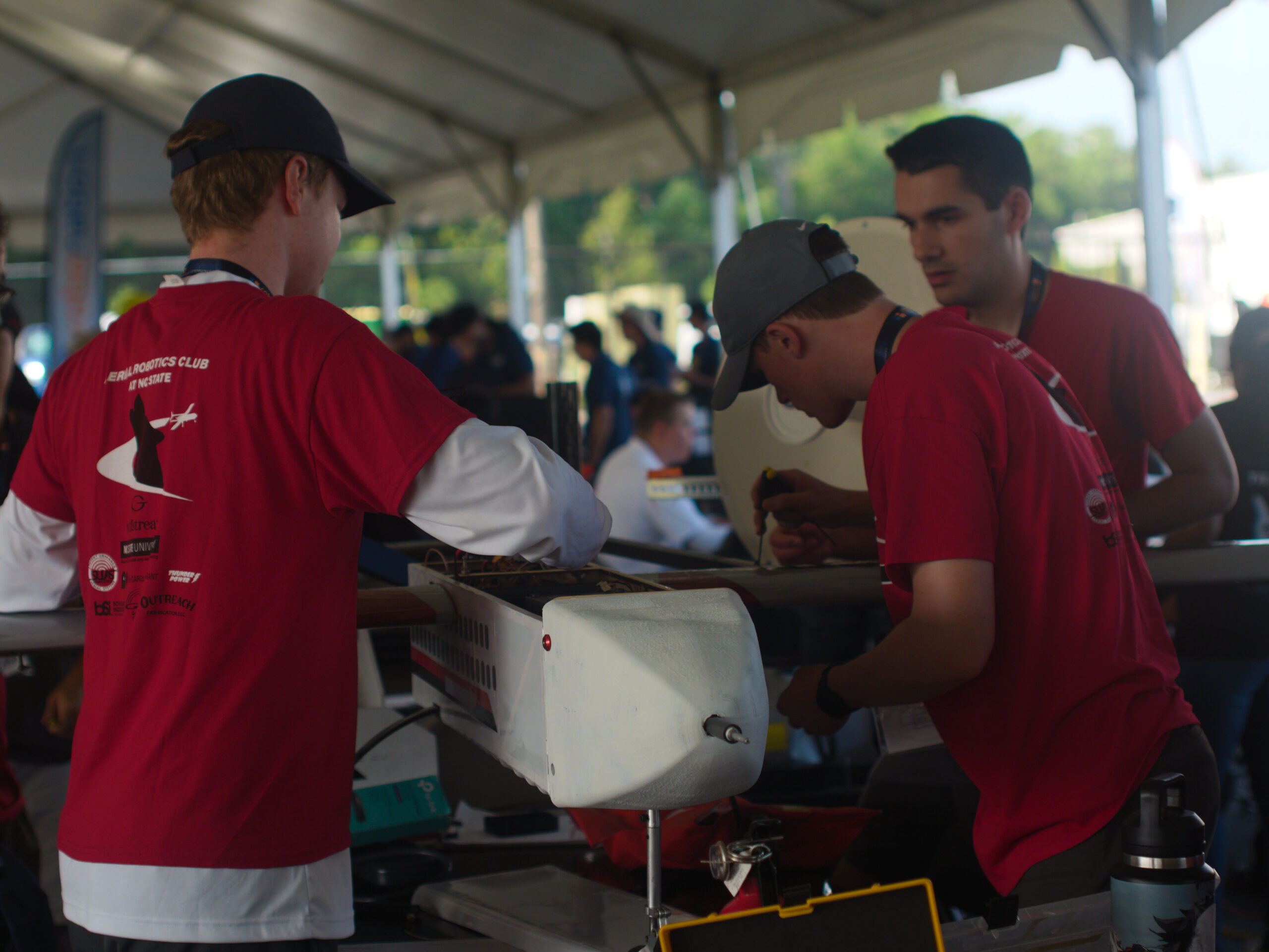
North Carolina Space Grant celebrates this year’s Team Experience and Competition Grant recipients. These teams will represent the state in prestigious national competitions supported by NASA and other STEM organizations. Through interdisciplinary expertise, these teams pursue rigorous research and create innovative STEM projects – such as rockets, robots, and rovers – built with safety and efficiency in mind.
“Participating in national competitions enables students to acquire not only technical STEM skills but also essential professional abilities like project management and collaboration – qualities highly sought by NASA and other employers,” says Sandy Canfield, assistant director of NC Space Grant. “This year, we are excited to welcome two new teams, the Aggie Drone Team of NC A&T and the PackNanoSat Club of NC State, testing their skills in two different NASA competitions.”
Team members receive opportunities to network and engage with STEM professionals, while also contributing to NASA research and developing mission-critical solutions. Competitions often support at least one out of the five NASA Mission Directorates, or areas of focus: Aeronautics, Exploration Systems, Science, Space Operations and Space Technology.
NC Space Grant is supporting eleven teams in total for this award year, with four teams participating in Artemis Mission Student Challenges. The two new teams will participate in the Vertical Flight Society Design-Build-Vertical Flight Competition (NC A&T’s Aggie Drone Team) and the COSMIC Capstone Challenge (C3) (NCSU’s PackNanoSat Club).
Campbell University’s HERC RC Team, UNC Charlotte’s 49er Miners, UNC Charlotte’s 49er Rocketry Team, and the High-Powered Rocketry Club at NC State will be participating in the following Artemis mission-related challenges: NASA’s University Student Launch Initiative, the NASA Lunabotics Challenge, and the NASA Human Rover Challenge (RC Division). Other challenges include the California Unmanned Aerial Systems Competition (C-UASC), AIAA Design-Build-Fly, RoboSub 2026, and SoutheastCon 2026 Hardware Competition.
Congratulations to the 2025-2026 Grant Recipients
Campbell University’s HERC RC Team, The NASA Human Exploration Rover Challenge (HERC), Principal Investigator: Dr. Mohsen Riahi-Manesh
The Campbell University HERC RC Team is entering its second year in the NASA Human Exploration Rover Challenge. In the 2026 competition, the team will further develop its rover to align with the updated goals and technical requirements of the RC division. The division tasks students with creating a remotely operated rover capable of navigating a moon terrain simulation and perform onboard objectives that reflect operational needs tied to NASA’s Artemis exploration efforts.
NC State’s Design Build Fly (DBF) team, The American Institute of Aeronautics and Astronautics (AIAA) DBF Competition, Principal Investigator: Dr. Jack Edwards

In this annual AIAA contest, NC State’s Design Build Fly team will design, manufacture, and fly an unmanned, electric-powered aircraft. The mission requirements change each year, pushing teams to constantly adapt while balancing flight performance, stability, and manufacturing practicality. The goal is a balanced design with both consistent flight handling qualities and practical manufacturing requirements while providing a high vehicle performance.
UNC Charlotte 49er Miners, 2026 NASA Lunabotics Challenge, Principal Investigator: Dr. Aidan F. Browne

The UNC Charlotte 49er Miners will design, build, and operate a lunar excavator prototype. The goal of this Artemis challenge is to gather and analyze robotic performance data related to excavator design and movement, supporting the advancement of next-generation lunar excavators.
Campbell University’s HERC Team, NASA Human Rover Challenge, Principal Investigator: Dr. Lee Rynearson

Campbell University’s HERC team will develop, test, and deploy a competition-ready human-powered rover, and prepare and present reports according to NASA guidelines.
The innovative technologies developed and tested by NASA HERC teams allow their rovers to function across a wide range of simulated planetary terrains.
Aggie Drone Team, 2025–2026 Vertical Flight Society Design-Build-Vertical Flight Competition, Principal Investigator: Dr. John Kizito

The Aggie Drone Team is developing an electric vertical take-off and landing (VTOL) drone to support wildfire response missions for the 2025–2026 Vertical Flight Society Design-Build-Vertical Flight Competition. The unique eight-arm drone will provide more stability and lifting capacity compared to traditional drone designs. This national competition challenges student teams to design, build, and flight-test an innovative VTOL aircraft under strict technical, weight, and performance constraints.
The Aerial Robotics Club at NC State (ARC), California Unmanned Aerial Systems Competition, Principal Investigator: Dr. Felix Ewere
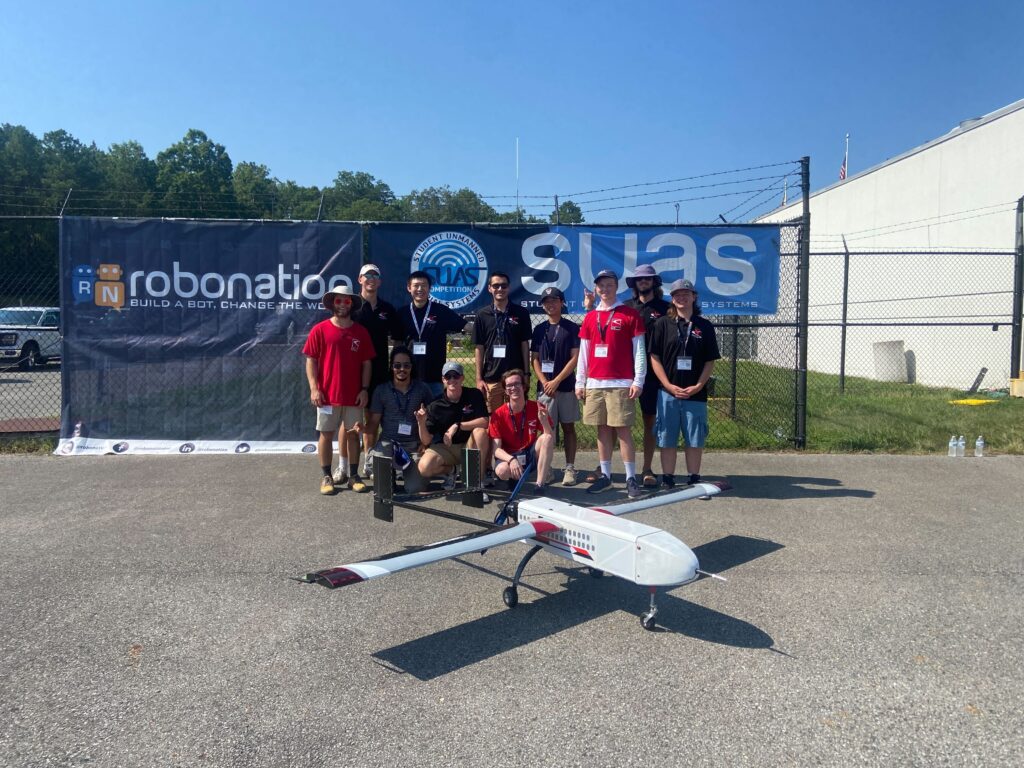
The Aerial Robotics Club at NC State will take on the design and production of an unmanned aerial system (UAS) capable of autonomous flight and execution of a specific series of tasks while reporting its capabilities. These tasks are designed to simulate the challenges that would be faced on a surveillance and monitoring mission.
UNC Charlotte 49er Rocketry Team, 2025-2026 NASA Student Launch Competition, Principal Investigator: Dr. Arun Vishnu Suresh Babu

The 49er Rocketry Team at UNC-Charlotte will design, build, and launch a reusable rocket for the NASA Student Launch Competition. The team is also responsible for designing a payload that is capable of extracting and testing a soil sample. The NASA Student Launch (SL) is one of seven Artemis Student Challenges whose mission is to introduce students to techniques and technologies critical to the success of the agency’s Artemis program.
The High-Powered Rocketry Club at North Carolina State University, NASA Student Launch Initiative, Principal Investigator: Dr. Felix Ewere

The High-Powered Rocketry Club at North Carolina State University will design and build a launch vehicle that will follow a series of performance metrics via a point-based system. A key performance metric is apogee accuracy: each team must designate a target altitude for its full-scale launch.
The PackNanoSat Club, C3: COSMIC Capstone Challenge, Principal Investigator: Dr. Felix Ewere
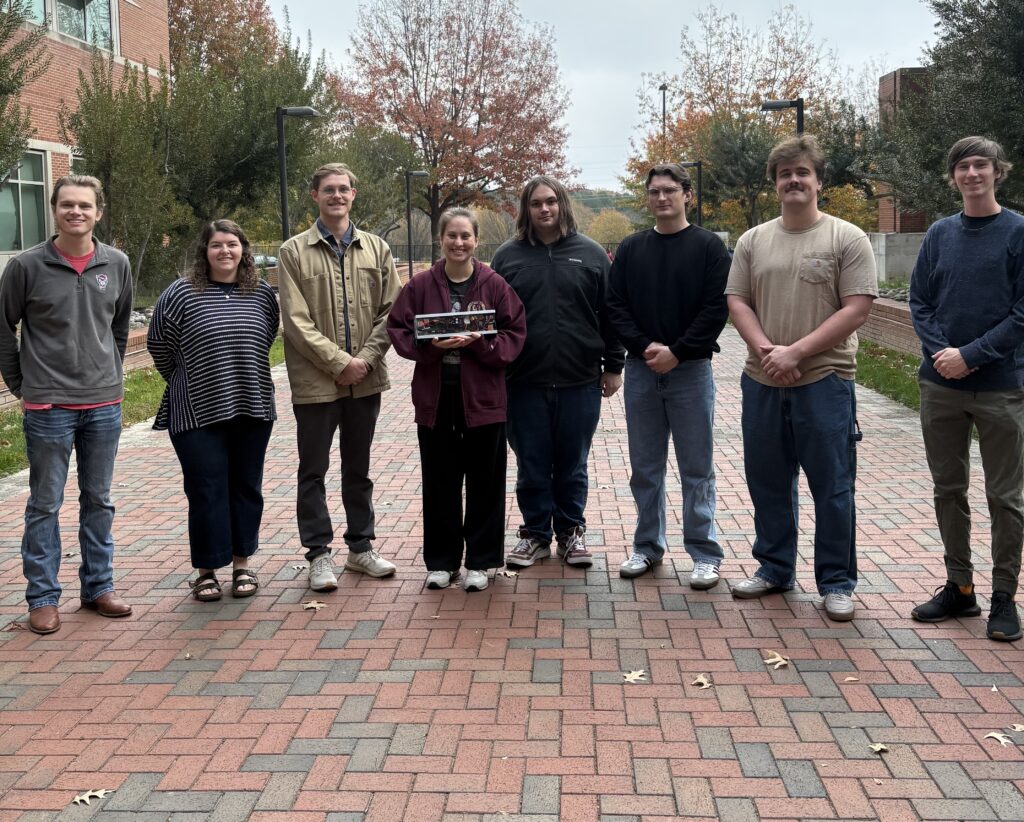
PackNanoSat is a newly formed Experimental NanoSatellite Team at NC State University.
The club will engage in designing conceptual missions and a spacecraft capable of addressing real operational needs in orbit or on the lunar surface for the C3: COSMIC Capstone Challenge. Their main objective will be to create a maintainable and autonomous vehicle capable of servicing client satellites, mirroring a routine function in space missions.
UNC Charlotte Robotics Club, 2026 IEEE SoutheastCon Hardware Competition, Principal Investigator: Dr. Sam Shue

The UNC Charlotte Robotics Club will design and build a fully autonomous robot to complete a lunar-themed rescue mission at the 2026 2026 IEEE SoutheastCon Hardware Competition. The team can optionally create a micro UAV, with the mission centered around saving “astro-ducks” stranded on the Moon.
AquaPack Robotics at NC State, RoboSub 2026, Principal Investigator: Dr. John Muth

AquaPack Robotics at NC State will be designing an Autonomous Underwater Vehicle (AUV) that must complete a series of underwater tasks without human intervention for the RoboSub 2026 Competition. These tasks simulate real challenges ocean-faring AUVs might experience, such as searching for and retrieving objects on the floor of the pool and navigating obstacles.
- Categories:


